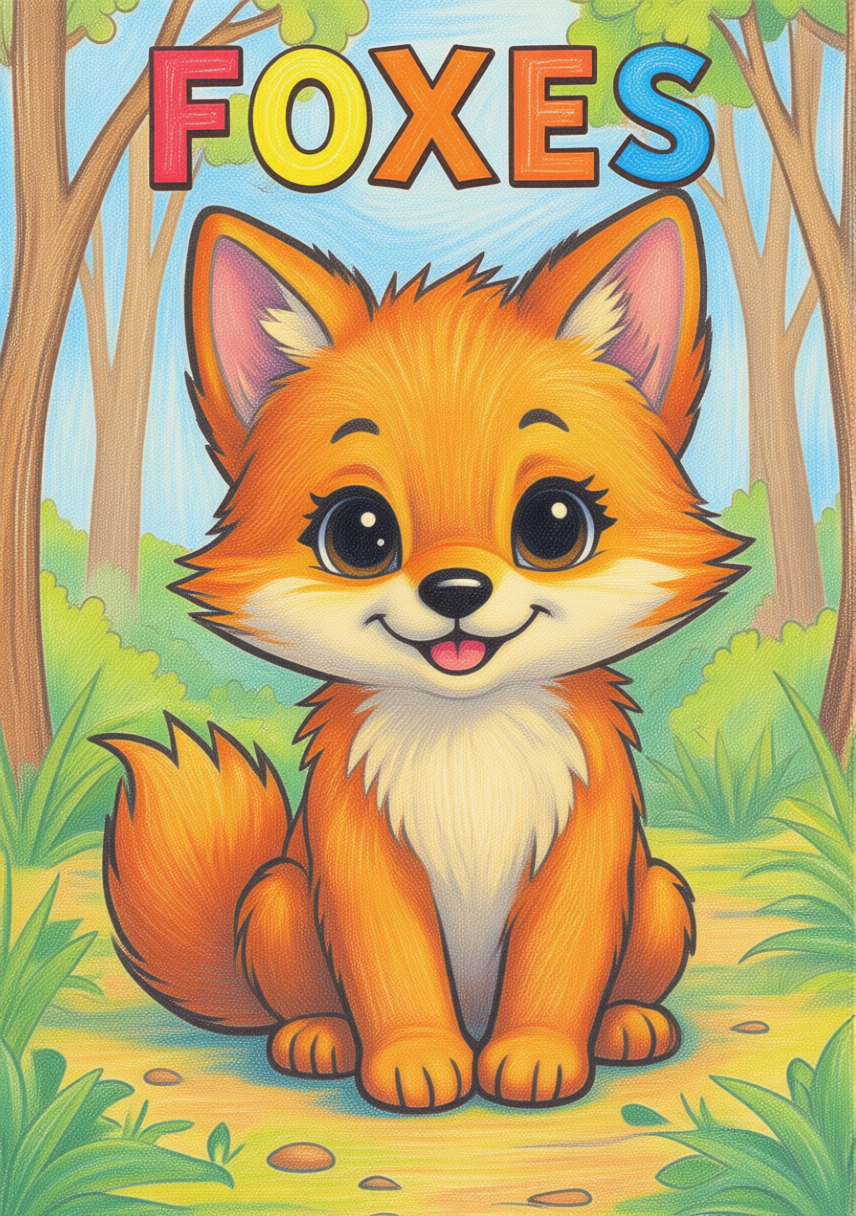
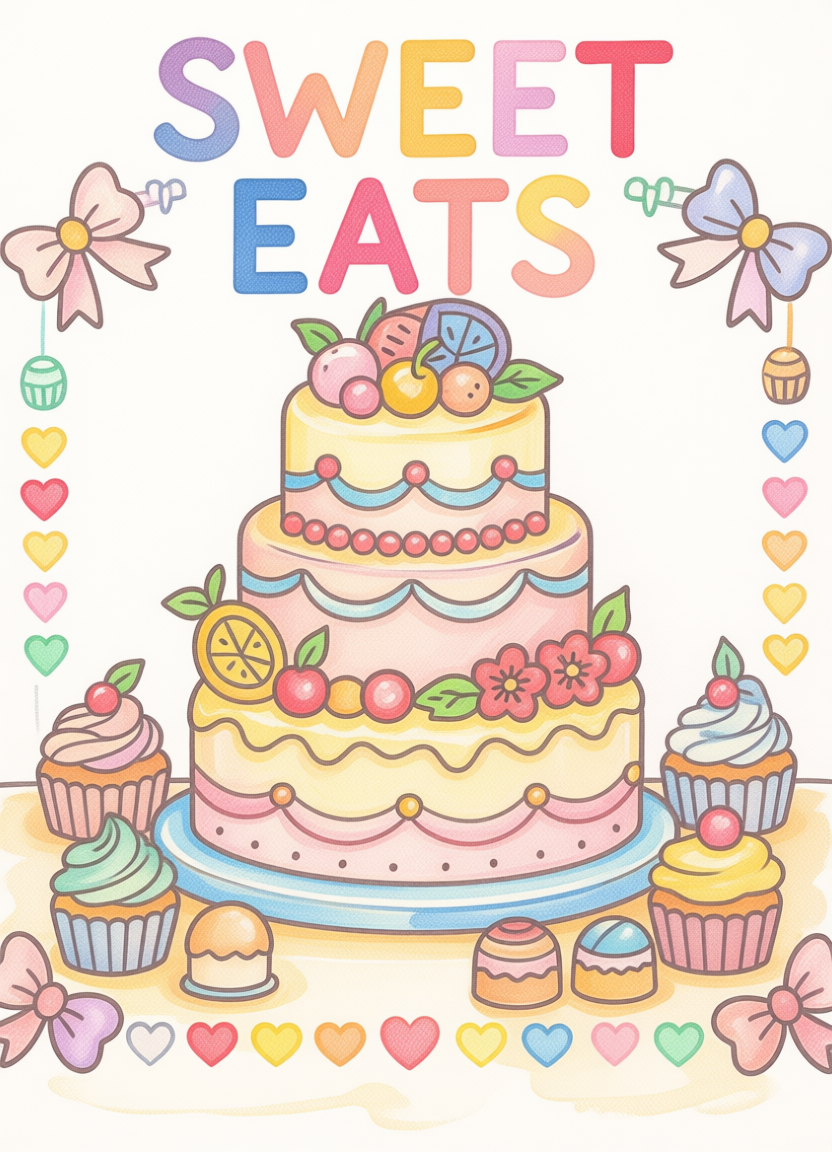
Discover the joy of coloring with simple tips that transform blank outlines into vibrant works of art with thee easy coloring techniques for beginners in 2025.
Unlock Calm Through Creativity
Coloring is more than a pastime — it’s a gentle doorway to presence, patience, and joy.
Whether you’re a curious beginner or returning to art after several years away, coloring offers a low-pressure path to creative expression and peace.
With a few basic techniques, even the simplest page becomes a canvas for your imagination.
Let’s explore how to make your coloring pages come alive — one soothing stroke at a time.
Start with the Basics: Tools That Feel Good in Your Hands
Before technique comes comfort. Choose tools that inspire play, not perfection.
Here are a few beginner-friendly options to keep in your coloring toolkit:
- Colored pencils: Perfect for layering and soft gradients. Try classic Crayola or Prismacolor for rich results.
- Crayons: Great for texture and bold color. Ideal for younger artists or nostalgic grown-ups.
- Markers: Bright, quick coverage. Use with thicker paper to avoid bleed-through.
- Blenders & white gel pens: Optional, but magical for highlights and smooth transitions.
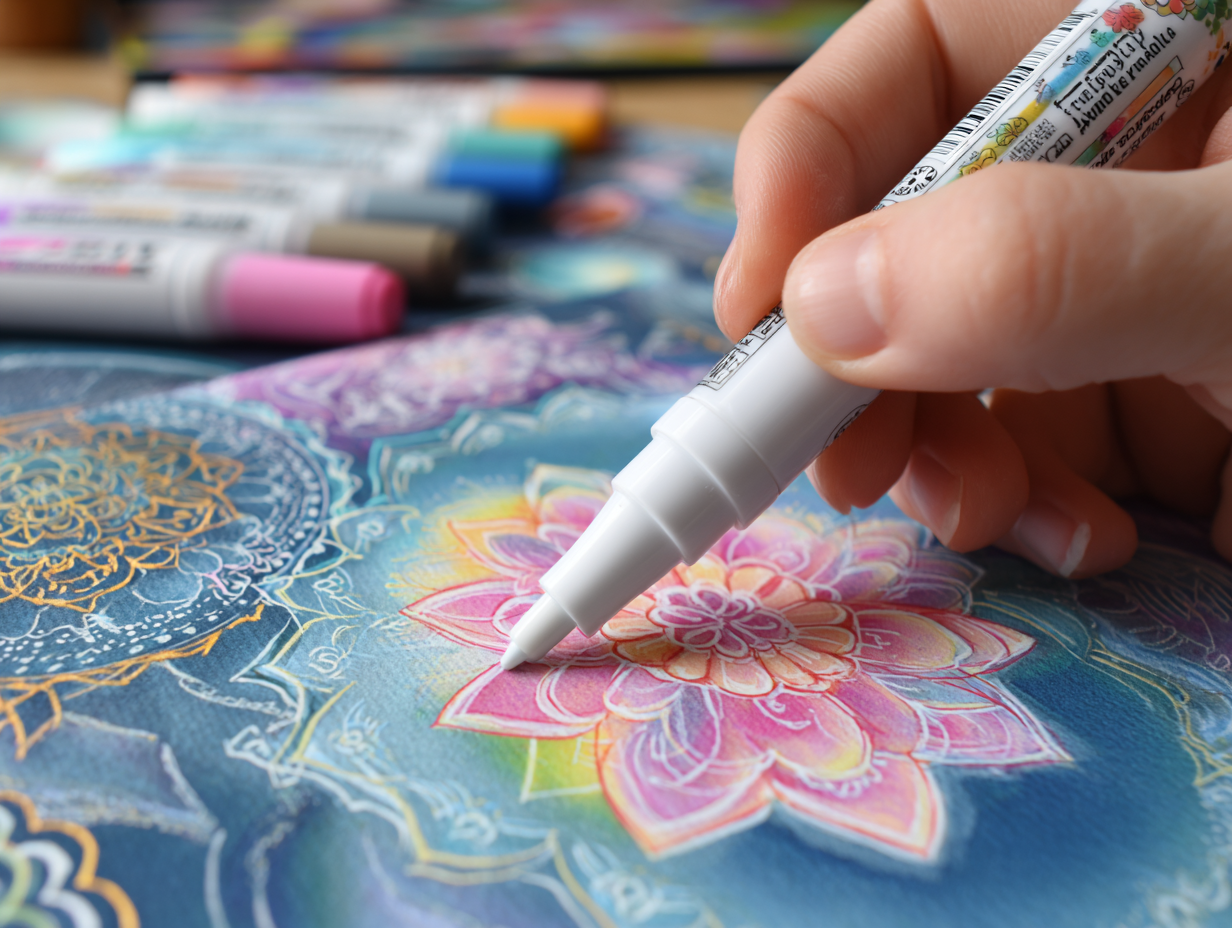
Choose what feels good to hold. Art is about flow, not fuss.
How to Blend Colored Pencils Like a Dream
Blending is where the magic begins. It turns flat color into flowing light.
Start with two shades from the same color family — like peach and coral, or sky blue and navy.
Use the lighter color first, gently layering in soft circles. Then overlap with the darker tone.
Go back and forth to merge the two, pressing lightly.
You can finish by adding a third shade — like white or a blender pencil — to smooth it all out.
Tip: Use small, circular strokes to avoid harsh lines. Think of it as coloring with whispers.
Shading: Give Your Pages Depth and Dimension
Shading helps your artwork pop off the page. It adds contrast, light, and life.
Here’s how to try it:
- Choose a base color (e.g. green).
- Pick a darker tone in the same family (e.g. forest green).
- Add the darker color to one side or corner of the shape to mimic shadow.
- Blend the edge into your base with light strokes.
This technique works beautifully for leaves, petals, and fabric folds.
Want a shortcut? Shade with a gray or brown pencil over your color. It adds a natural shadow in seconds.
Layering: Build Color Like a Painter

Layering creates richness. Instead of pressing hard, color softly — again and again.
This works best with colored pencils:
- Lay down a light base color.
- Add a second color on top in gentle strokes.
- Let the paper’s texture show through — that “tooth” grips the pigment for each layer.
- Keep layering until the color feels deep and complete.
Don’t rush. It’s like brewing tea — give the process time to steep.
Highlights and Spark: The Finishing Touch
A little sparkle goes a long way. Once your page is colored, add light with:
- A white gel pen to draw tiny highlights on eyes, water droplets, or glossy fruit.
- A black fineliner to re-outline parts that faded under color — it adds contrast.
- Dots, stars, or swirls — tiny details that turn a page into a story.
Use these sparingly. Like stardust, they’re most magical in small doses.
Color Harmony: Choosing Combinations That Soothe the Soul
Picking colors can feel overwhelming. Start with simple palettes.
Try these combos:
- Analogous: Colors next to each other on the wheel (blue, teal, green). Peaceful and smooth.
- Complementary: Opposites like purple and yellow. Bold and eye-catching.
- Monochrome: One color in many shades. Elegant and easy.
ColoringHarmony.com offers pages that work well with all of these. Browse by theme to find inspiration — from nature scenes to cozy interiors.
Tip: Choose 3–5 colors before you begin. Limiting your palette makes a page feel cohesive.
Trust Your Hand, Follow Your Eye
The most important coloring tip for beginners? Let go of “perfect.”
There’s no right way to fill a page. If your tree is blue and your sky is coral, that’s your vision taking shape.
What matters is how it feels — the motion of your hand, the calm that rises as color flows.
Coloring is a conversation between mind and hand. The more you listen, the more your style emerges.

Conclusion: Begin Where You Are, Color What You Love
Every artist starts with a first stroke.
You don’t need talent — just curiosity and a little time.
So pick a page, choose a few colors, and begin. Explore calming, imaginative scenes at ColoringHarmony.com — from magical gardens to mindful mandalas.
Let the quiet joy of coloring remind you: creativity lives here, always waiting to be invited in.
Try one of these coloring page categories or see all categories here!